
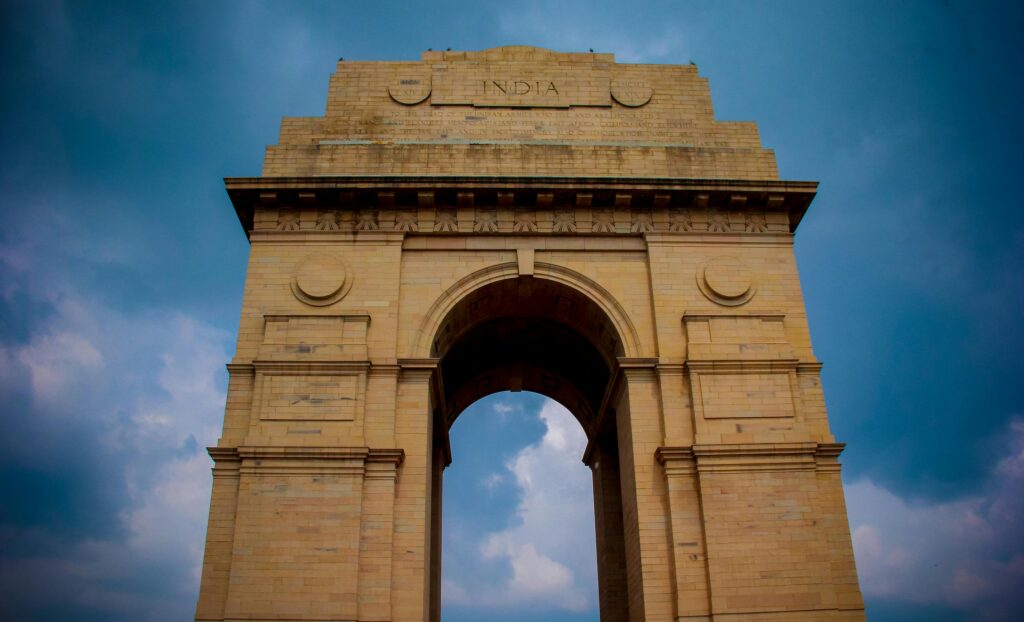
India is an experience that stimulates all of your senses, not just a place to visit. Its diversity is astounding, ranging from the tranquil backwaters of Kerala in the south to the snow-capped Himalayas in the north. Whether your interests lie in history, spirituality, cuisine, or adventure, India provides a diverse range of experiences that will captivate you. Truly, it is among the top places to visit in India.
Why Visit India?
- An Amazingly Diverse Land India's great diversity of landscapes, languages, and customs frequently lead to it being referred to as a "subcontinent." From Rajasthan's deserts to Assam's verdant tea plantations to the colorful festivities that illuminate the nation all year round, each state has its own distinct individuality.
- Architectural Wonders and Rich History Explore beautiful palaces, temples, and forts to travel back in time. The Taj Mahal is a must-see wonder and a representation of unending love. You will be taken back in time by the majesty of Jaipur's Amber Fort, the spiritual ambiance of Varanasi, and the ancient remains of Hampi.
- Health and Spirituality Major religions including Buddhism, Sikhism, Jainism, and Hinduism originated in India. For a spiritual adventure, travel to holy places like Amritsar, Bodh Gaya, or Rishikesh. In peaceful surroundings, yoga and ayurvedic retreats promote healing and renewal.
- Adventure in Cooking Indian food is a gastronomic celebration. Every region offers something different, whether it's the rich Mughlai cuisine of Lucknow, the spicy street food of Delhi, or the coconut-infused treats of Kerala. To taste a little bit of everything, don't forget to try a typical thali!
- Kind and Friendly Individuals Indian hospitality is renowned for its friendliness. Locals are frequently happy to offer their knowledge of traditions, anecdotes, and occasionally even a cup of chai (tea). Traveling to India provides the opportunity to form deep connections and gain a new perspective on life.
Top Places to Explore in India
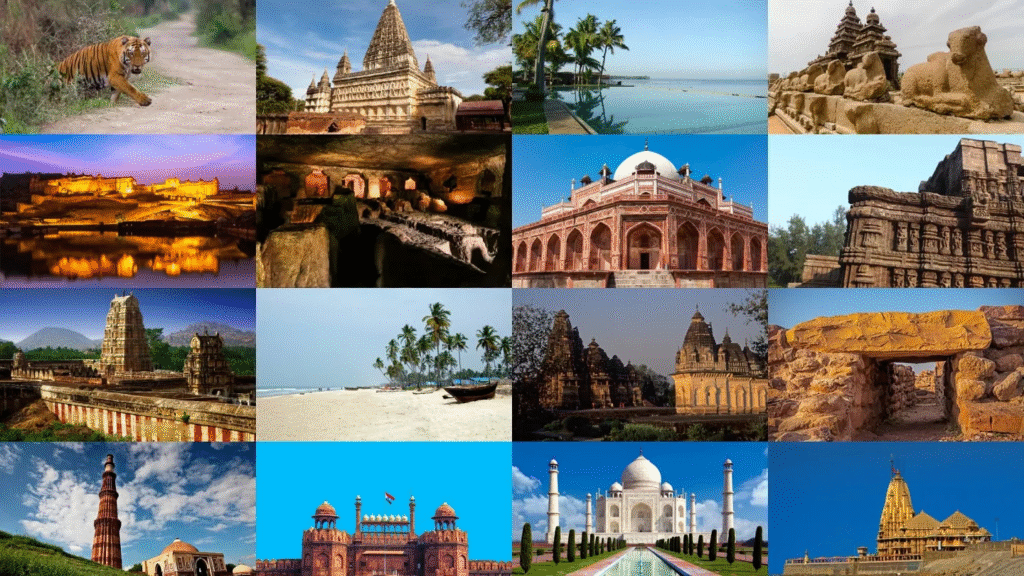
- Delhi: The bustling capital with a perfect blend of old and new.
- Uttrakhand: Ramnagar Kashipur, is a village in Kashipur, Udham Singh Nagar district in the state of Uttarakhand in India.
- Jaipur: The “Pink City” famous for its royal palaces and vibrant bazaars.
- Kerala: Known as “God’s Own Country,” ideal for backwaters and spice plantations.
Why Visit Delhi?
Delhi is a city and a union territory of India that includes New Delhi, the country's capital. It is formally known as the National Capital Territory (NCT) of Delhi. Delhi shares boundaries with the states of Uttar Pradesh in the east and Haryana in the remaining directions. It is situated on both sides of the Yamuna River, however it is primarily spread to the west or beyond its right bank. On November 1, 1956, Delhi became a union territory, and in 1995, the NCT. The NCT is 1,484 square kilometers (573 square miles) in size. Over 11 million people called Delhi proper home as per the 2011 census, whereas there were roughly 16.8 million people living in the NCT. Delhi is also one of the top places visit in India.

RED FORT
Constructed from red sandstone, the Red Fort is a historic monument in Delhi that was the primary palace of Mughal rulers for almost 150 years. It was completed by Shah Jahan. The Diwan-i-Aam and Diwan-i-Khas are two examples of its impressive architecture, which combines Islamic, Persian, Timurid, and Hindu forms. It is a well-known representation of India's independence movement and Independence Day festivities.
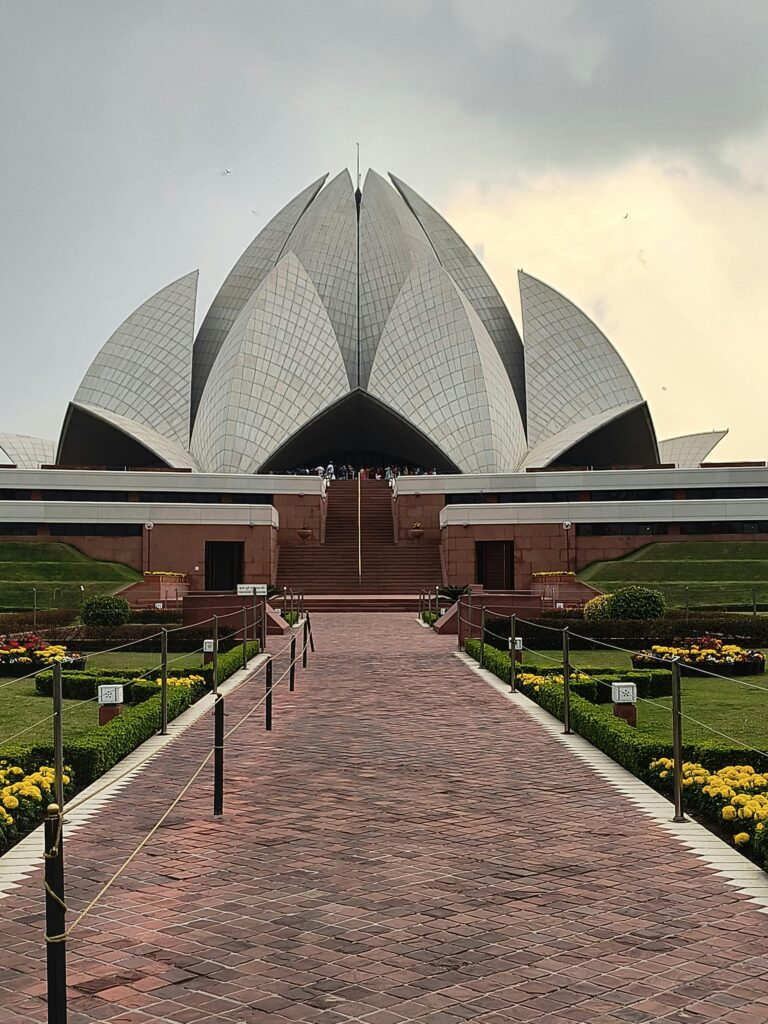
LOTUS TEMPEL
The Lotus Temple, a $10 million Bahá'í House of Worship in Delhi, India, was consecrated in December 1986. It has gained prominence in the city as a major attraction because of its flower-like shape. The Lotus Temple is accessible to everyone, regardless of religion or other qualifications, just like all other Bahá'í Houses of Worship. With a height of just over 40 meters and a capacity of 2,500 people, the structure is made up of 27 free-standing marble-clad "petals" grouped in groups of three to form nine sides. Nine doors open onto a central hall. In addition to receiving multiple architectural honors, the Lotus Temple has been highlighted in various magazine and newspaper publications.
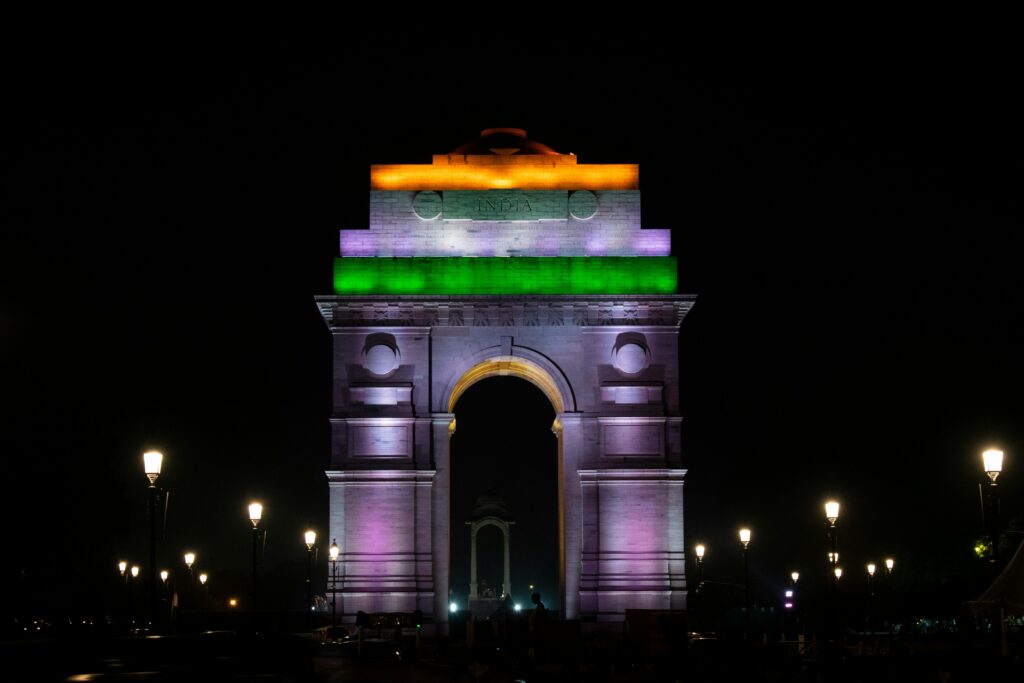
INDIA GATE
The 42-meter-tall India Gate, a grand archway resembling the Arc de Triomphe, is located in the heart of New Delhi. It honors the 70,000 Indian soldiers who died while serving in the British Army during World War I. The names of around 13,516 Indian and British soldiers who lost their lives in the 1919 Afghan War on the Northwestern Frontier are also inscribed on the memorial. India Gate is one of the top places visit in India.
Why visit Uttrakhand
Uttarakhand, also called Uttaranchal (English: /ˌʊtəˈraentʃʌl/; the official name until 2007), is a state in northern India. In Hindi, it is Uttarākhaṇḍa, meaning "Northern Land" [22]. The state's borders are as follows: Uttar Pradesh to the south and southeast, Tibet to the north, Nepal to the east, Himachal Pradesh to the northwest, and a tiny portion of Haryana to the west. With a total area of 53,483 km² (20,650 sq mi), Uttarakhand makes up 1.6% of India's entire land area. The state capital is Dehradun, whereas the judicial capital is Nainital. There are 13 districts spread over the two divisions of the state, Garhwal and Kumaon, and sixteen percent of the total land area is cultivable. Uttarakhand is also one of the top places to visit India.
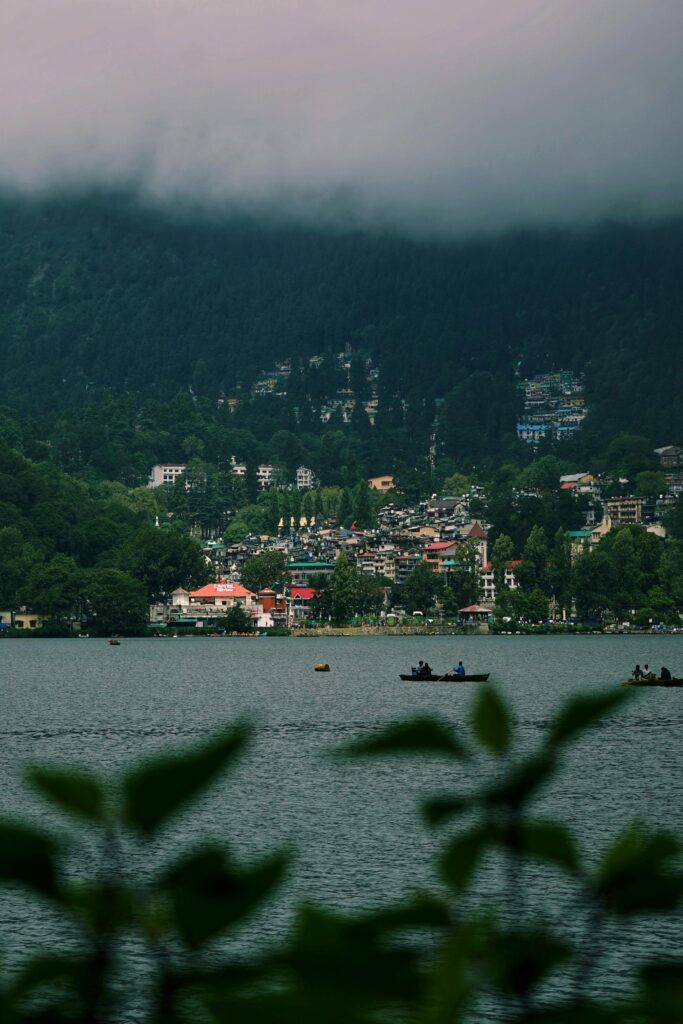
NAINITAL
Situated in the Kumaon foothills of the outer Himalayas, Nainital is 314 km (195 km) from New Delhi, the Indian capital, and 276 km (171 mi) from Dehradun, the state capital. At 1,938 meters (6,358 feet) above sea level, the town is surrounded by mountains, the highest of which are Naina Peak (2,615 meters (8,579 feet)) to the north, Deopatha (2,438 meters (7,999 feet)) to the west, and Ayarpatha (2,278 meters (7,474 feet)) to the south. The town is situated in a valley with an eye-shaped lake and is roughly two miles in circumference.

KAINCHI DHAM
Situated in the Kumaon foothills of the outer Himalayas, Nainital is 314 km (195 km) from New Delhi, the Indian capital, and 276 km (171 mi) from Dehradun, the state capital. At 1,938 meters (6,358 feet) above sea level, the town is surrounded by mountains, the highest of which are Naina Peak (2,615 meters (8,579 feet)) to the north, Deopatha (2,438 meters (7,999 feet)) to the west, and Ayarpatha (2,278 meters (7,474 feet)) to the south. The town is situated in a valley with an eye-shaped lake and is roughly two miles in circumference.The ashram was established by Neem Karoli Baba in the 1960s on land donated by a local resident.
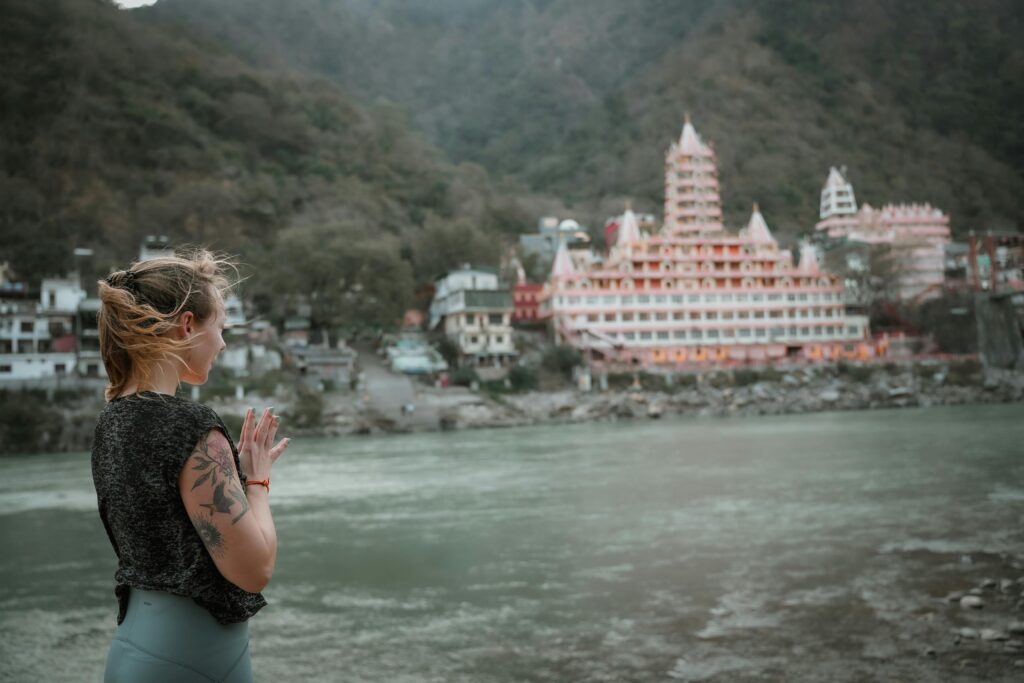
RISHIKESH
The peaceful town of Rishikesh is located in Uttarakhand, India, on the banks of the sacred Ganges River, in the foothills of the Himalayas. Known as the "Yoga Capital of the World," it draws both adventurers and spiritual seekers. Ashrams, temples, and meditation institutes abound in the town, providing a place of calm and reflection. White-water rafting, trekking, and camping are available in Rishikesh, which is well-known for its Ganga Aarti at Triveni Ghat and the famous Laxman Jhula bridge. Rishikesh combines nature, culture, and peace to create an experience that will never be forgotten, whether you're looking for spiritual development or exhilarating outdoor adventures.
Why visit Jaipur
The capital of the state of Rajasthan is Jaipur, one of India's best-planned towns. Its distinctive urban identity is a result of its stunning architecture, town planning, arts and crafts, culture, and tourism. Jaipur serves as the socioeconomic and political hub of the state and is one of the key cities in the Golden Triangle. The astronomical prowess, enduring customs, distinctive urban layout, and foresight of 18th-century Indian city planning are all reflected in Jaipur. Before Maharaja Sawai Jai Singh II, the monarch of Amber, established Jainagara (Jaipur), named for him, approximately nine kilometers south of Amber in 1727, Amber served as the capital of the Kachwaha dynasty. Today, Jaipur is considered one of the top places to visit in India.
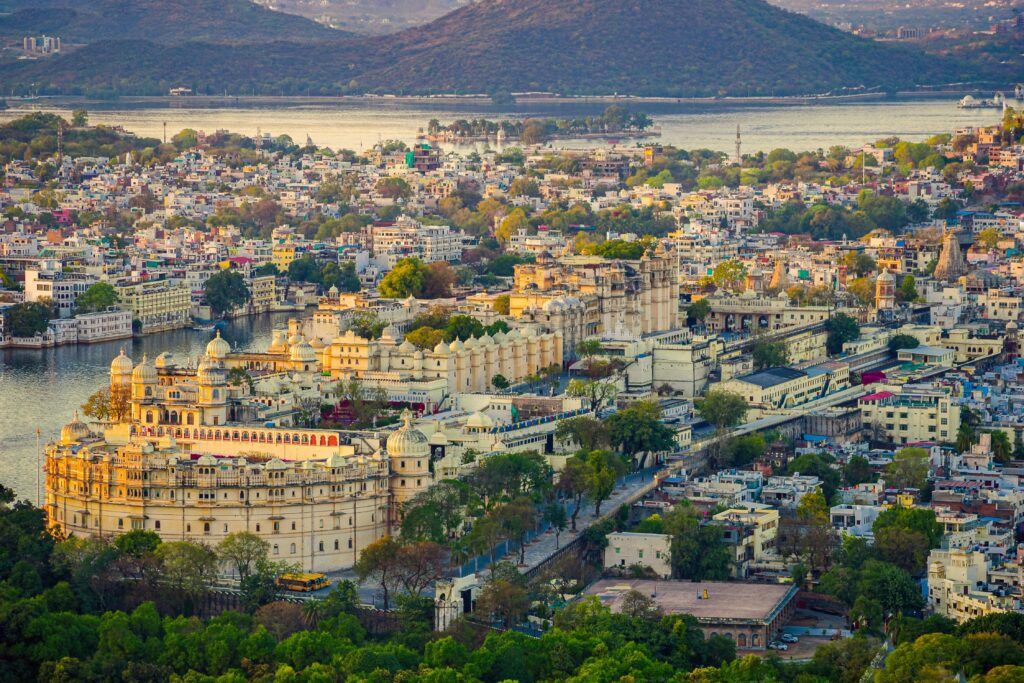
UDAIPUR
Maharana Udai Singh established the historically significant city of Udaipur, sometimes known as the "City of Lakes," in Rajasthan, India, in the sixteenth century. It is renowned for its stunning architecture, particularly the expansive City Palace complex, and its scenic beauty, dominated by multiple lakes, including Lake Pichola. Known for its characteristic white buildings, serene lakes, and royal palaces, Udaipur is often called the "White City" and is regarded as a romantic and cultural destination, frequently referred to as the "Venice of the East." The City Palace, Jagdish Temple, and other palaces transformed into opulent hotels are key attractions that offer visitors a fusion of culture, history, and scenic beauty. Udaipur is also considered one of the top places to explore in India.
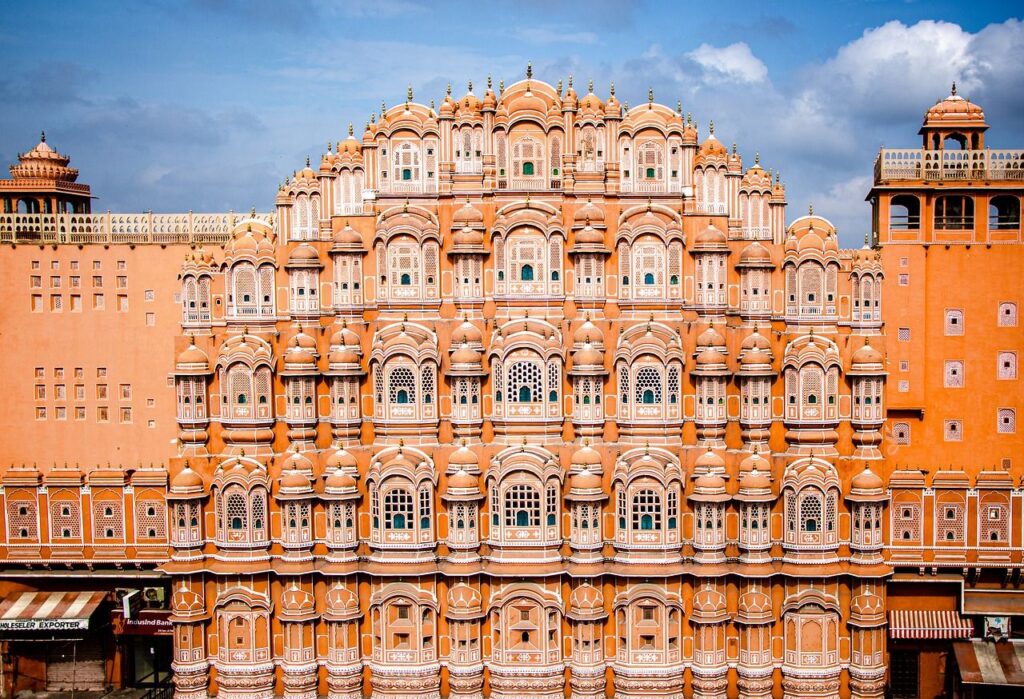
HAWA MAHAL
Under the guidance of architect Lal Chand Ustad, Maharaja Sawai Pratap Singh constructed Hawa Mahal in 1799. He created the palace's front to resemble the crown of his god, Lord Krishna. This five-story, pyramid-shaped building, which is 87 feet high, contains 365 windows. Sharad Mandir, Ratan Mandir, Vichitra Mandir, Prakash Mandir, and Hawa Mandir are the unique names given to each floor. Anandpoli is the palace's main entrance, and Chandrapoli is its second. The second courtyard has a large tank with fountains. The Maharaja's private chamber, Pratap Mandir, is located to the south of this tank, while the kitchen, or Bhojanshala, is located to the north. Royal females used the passageway that connects Hawa Mahal to City Palace to view
AMBER FORT
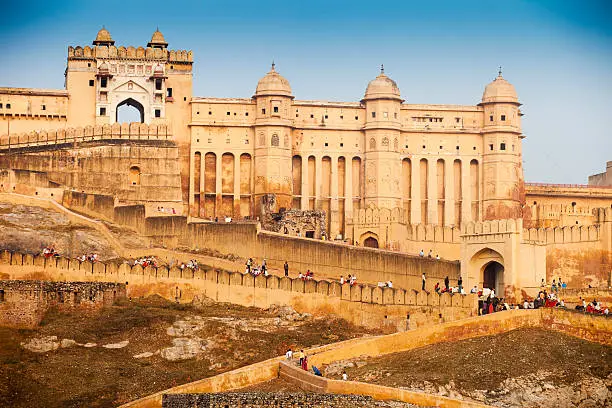
Amber Fort is located just behind Jaigarh Fort in the Aravalli mountains' valley. The Kachhwaha Rajputs had Amber as their capital before moving to Jaipur. The Susawat Meena tribe was originally in charge of Amber. The Kachhwaha dynasty was established in the Dhundhar region in the eleventh century by Dulahrai (Dhola), the son of Sodhadeva. The Meenas relinquished control of Amber to his son, Kakil Dev. At the end of the 16th century, Raja Man Singh I began building the new royal complex. Following Raja Man Singh I, Mirza Raja Jai Singh I and Sawai Jai Singh II occasionally made adjustments to suit the situation.
Why visit Kerala
Kerala is a coastal state in southwest India. It is a tiny state that makes up only 1% of the nation's total land area. Kerala is around 20 to 75 miles (30 to 120 km) wide and spans along the Malabar Coast for about 360 miles (580 km). It shares borders with the Arabian Sea to the south and west, the states of Tamil Nadu to the east, and Karnataka (formerly Mysore) to the north. On the northwest coast, it encircles Mahe, a part of the state of Puducherry. Thiruvananthapuram (Trivandrum) is the capital. Kerala is also one of theTop Places to visit in India
KOCHI
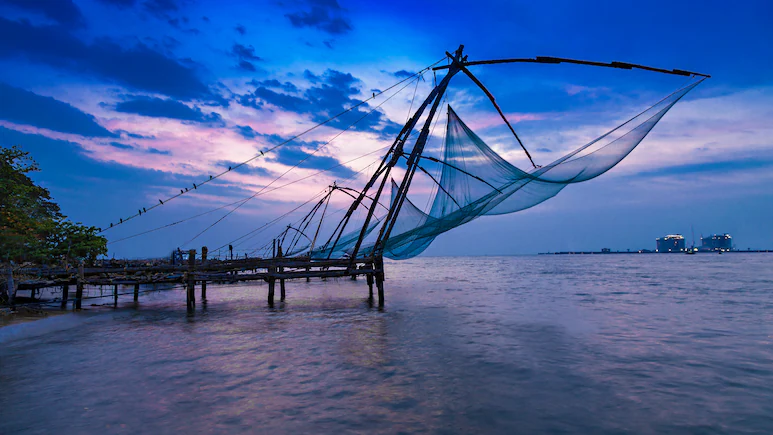
Kochi is a city and important port located in west-central Kerala state, southwest India, on the Arabian Sea's Malabar Coast. Occasionally used to describe a group of islands and settlements, such as Ernakulam, Mattancheri, Fort Cochin, Willingdon Island, Vypin Island, and Gundu Island, "Kochi" is also the name of a former princely state. The communities of Trikkakara, Eloor, Kalamassery, and Trippunithura are also part of the urban agglomeration.Until the backwaters of the Arabian Sea and the streams that descended from the Western Ghats to the east caused the village to separate from the mainland in the 14th century, Kochi was a small fishing village. This resulted in the landlocked harbor becoming one of the safest ports on the southwest coast of India.
SREE PADMANABHA SWAMY TEMPLE
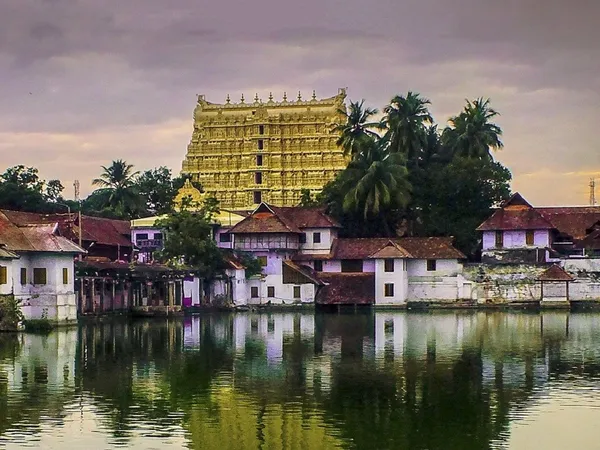
Ancient times have obscured the Temple of Sree Padmanabhaswamy's beginnings. The actual date and identity of the original Sree Padmanabhaswamy idol's consecration cannot be ascertained from any trustworthy historical records or other sources. The Epics and Puranas both mention the Temple. According to Srimad Bhagavatha, Balarama came to this temple, had a bath in Padmatheertham, and offered a number of sacrifices. Ten poems in favor of Lord Padmanabha have been written by Nammalwar, a poet from the ninth century who is one of the twelve Vaishnavite saints of the Alvar tradition. According to certain renowned academics, authors, and historians, such as the late Dr. L.A. Ravi Varma of Travancore, this temple was founded on the first day of the Kali Yuga, which occurred more than 5000 years ago. Sree Padmanabha swamy temple is the top place to visit in india
KOLLAM
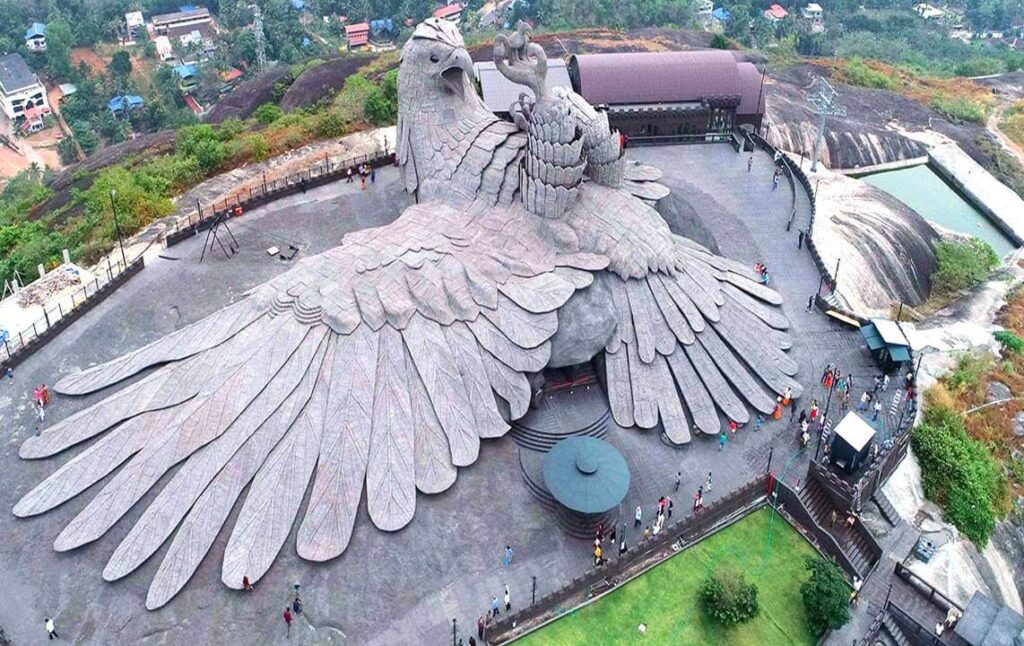
The southern Keralan district of Kollam (formerly Quilon) is situated 70 kilometers north of Thiruvananthapuram, the state capital. It is bordered to the west by the Arabian Sea, to the east by Tamil Nadu, to the north by the districts of Alapuzha and Pathanamthitta, and to the south by Thiruvananthapuram. One of India's most densely populated districts, Kollam is home to more than 2.6 million people. The district capital, Kollam City, houses the district administration's headquarters. The district is divided administratively into two revenue divisions, Kollam and Punalur, each of which has three taluks. Kollam is also considered one of the top places to visit in India.
Kollam has a usually sunny climate with a peak in heat in April and May, much like the rest of Kerala. June to September is when the monsoon season occurs.
Explore : Discover Japan: A Timeless Journey Through Culture, Cuisine, and Contrast