
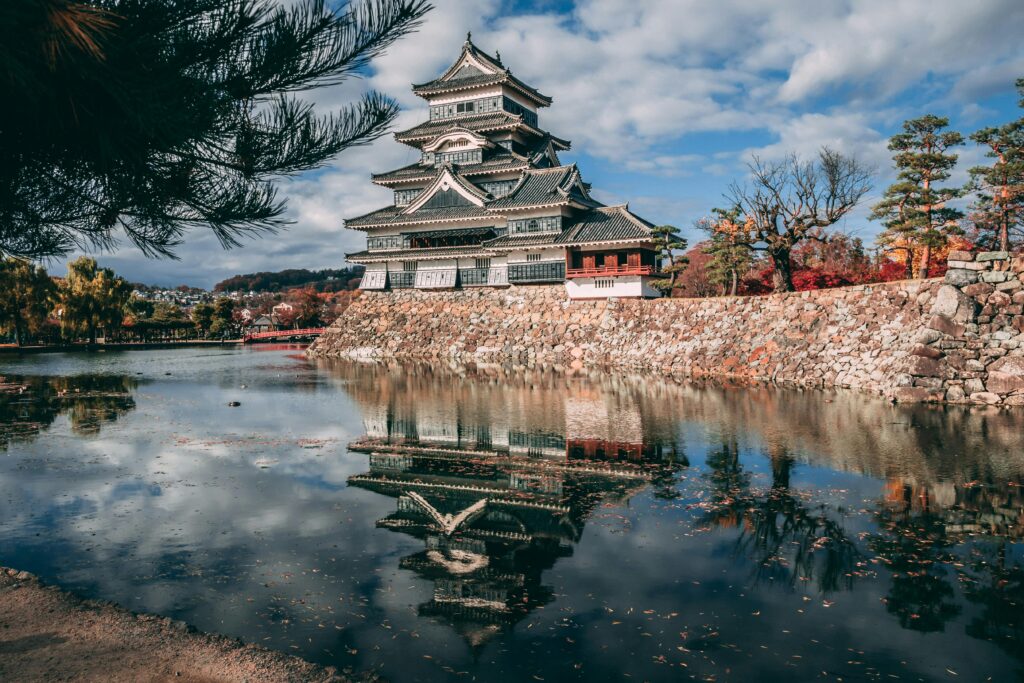
Japan offers the most seamless fusion of modern innovation and ancient tradition anywhere in the world. This island nation, where ancient traditions and modern technology coexist, is a traveler's paradise, from the tranquil temples of Kyoto to the neon-lit streets of Tokyo. Every trip to Japan provides something fresh, regardless of whether you're an experienced traveler or a first-time visitor. Japan is also considered one of the Top place to visit in Japan.More info..
Why visit Japan
- A Diverse Cultural Tapestry Nowhere else can you find the profundity of Japanese culture. See historic Shinto shrines, take in a tea ceremony, or observe the subdued grandeur of samurai culture. Cities like Kyoto and Nara are time machines that invite you to see temples that have been around for more than a millennium and stroll through bamboo forests.Top place to visit in Japan
- Contemporary Wonders in Osaka and Tokyo The metropolitan landscape of Japan is quite amazing. Explore the high-tech bustle of Shibuya Crossing, shop Harajuku's cutting-edge fashion, or eat at a restaurant with a robot motif while in Tokyo. On the other hand, Osaka enchants with its street cuisine, exciting nightlife, and amiable residents who know how to have a good time.
- A Unique Culinary Experience Japan is a foodie's paradise, offering everything from sizzling okonomiyaki in Hiroshima to fresh sushi at Tsukiji Market. Don't miss a hot bowl of ramen or a traditional kaiseki lunch at a neighborhood restaurant. Indeed, the food at this convenience store is very delicious!
- The Beauty of Nature in All Seasons Seasons have a significant impact on Japan's natural beauty. See the iconic sakura (cherry blossoms) in the spring, walk the Japanese Alps in the summer, admire the koyo (fall foliage) in the fall, or experience Hokkaido's powder snow in the winter. Every season provides a totally unique, although no less spectacular, experience.
- Perfect Safety and Transportation Japan's excellent Shinkansen (bullet trains) and reliable public transportation make traveling around the country a breeze. It is also among the safest countries in the world, which makes it perfect for both families and lone tourists.
Top place to explore in Japan
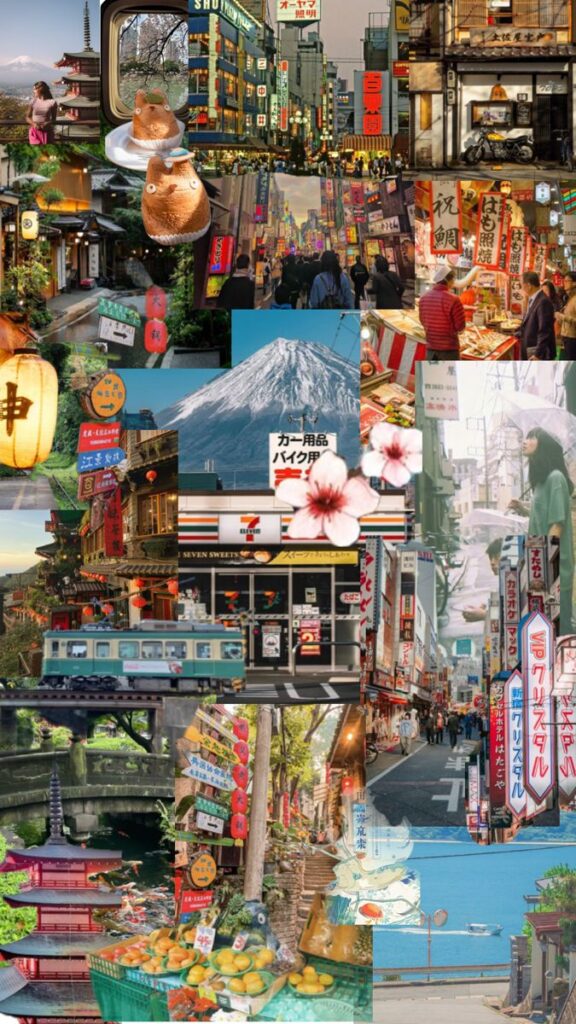
- Okinawa Prefecture – Best for Beaches & Island Life
- Kyoto Prefecture – Best for Culture & Temples
- Tokyo Prefecture – Best for Urban Adventures
- Hokkaido – Best for Nature & Winter Sports
Why visit Okinawa Prefecture
Kyoto City serves as the capital of Kyoto Prefecture, a historically and culturally significant prefecture in Japan's Kansai region. It is a long and thin prefecture that extends from the coast of the Sea of Japan to the Kii Peninsula, with an approximate total size of 4,612 square kilometers (1,781 square miles). The Tamba Mountains, which separate the prefecture's two main temperature zones—a warmer south and a snowy north—define its center region.
Kyoto City was the imperial capital of Japan for more than a millennium (from 794 to 1868), a legacy that has left the prefecture rich in historical and cultural landmarks.Top place to visit in Japan include Kyoto for its temples and gardens, Tokyo for its modern culture and bustling city life, and Hokkaido for its natural beauty and winter sports. Other popular destinations are Osaka, Hiroshima, and Okinawa.
Okinawa Main Island
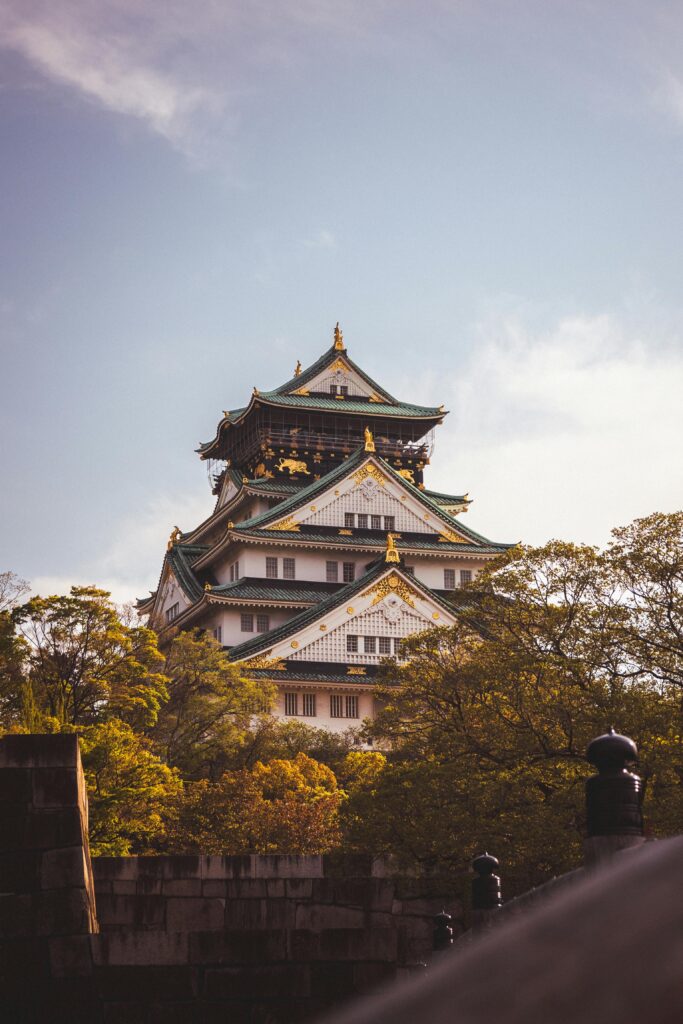
The largest island in the Okinawa Prefecture, a subtropical series of islands in southern Japan, is Okinawa Main Island, sometimes called Okinawa Hontō. Approximately 1,200 square kilometers (463 square miles) in size, it is home to the majority of the prefecture's inhabitants and makes up more than 50% of its entire land area. Naha, the capital, is the hub of politics, the economy, and culture.
From the 15th to the 19th century, Okinawa was the center of the Ryukyu Kingdom, a powerful and independent maritime kingdom that prospered from trade with China, Japan, and Southeast Asia.
Another significant event in the island's history is the terrible Battle of Okinawa, which took place in 1945 and was the only ground combat in Japan during World War II.
MIYAKO-JIMA
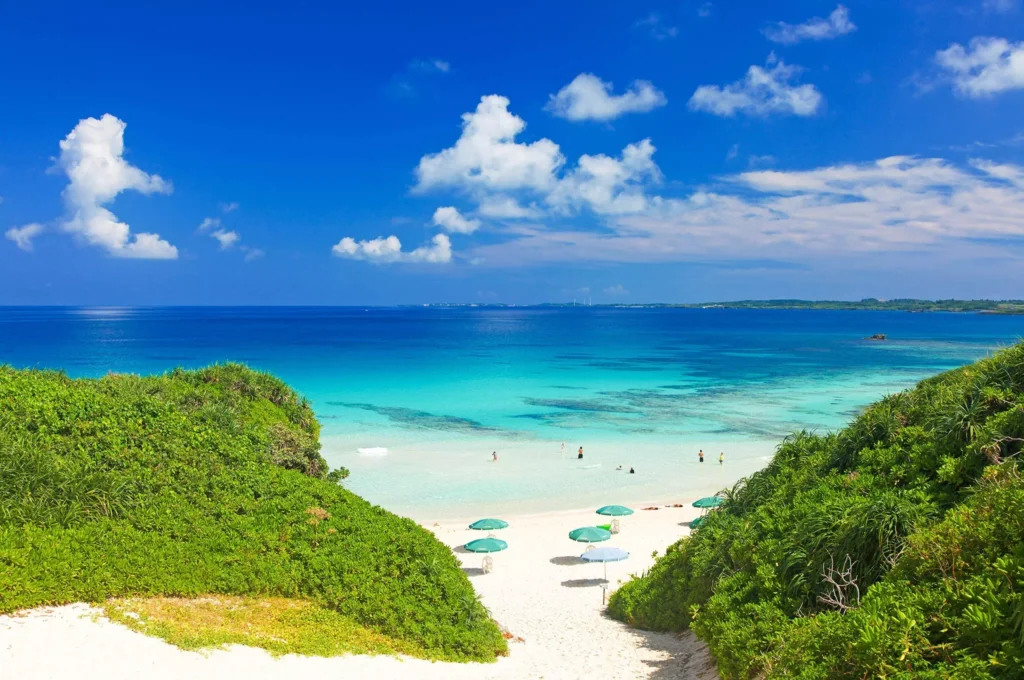
Situated 100 kilometers north of the Yaeyama Islands and 300 kilometers south of Okinawa Main Island, Miyako Island (宮古島, Miyakojima) is renowned for its top beaches and is a fantastic place to dive and snorkel in the coral reefs. All year long, the weather is moderate due to the subtropical environment.In Okinawa Prefecture, Miyako is the fourth largest island. It is largely made up of sugar cane fields and a few towns, the largest of which being Hirara, which has a moderate selection of eateries and pubs. It does not have any significant hills or mountains.
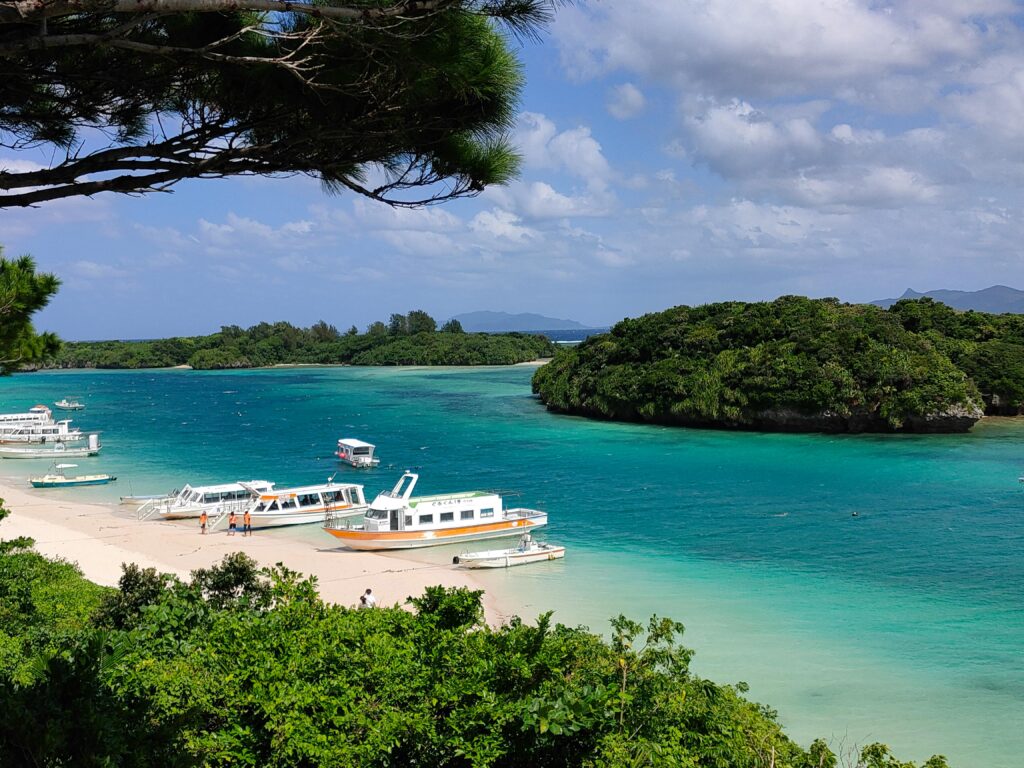
Ishigaki
The most populous island in the Yaeyama Island chain is Ishigaki Island. Despite having a fully constructed city, an airport, and established lodging, the island is largely covered in dense, subtropical flora. Iriomote-Ishigaki National Park includes the island.Ishigaki Island is reasonably accessible by direct flights from major Japanese cities, Taiwan, and Hong Kong. Ishigaki Port also acts as a gateway to the other islands in the Yaeyama Island group. Visitors traveling by automobile will need a full day to complete the 160-kilometer journey around the island.
Why visit Kyoto Prefecture
Kyoto Prefecture is a historically and culturally rich prefecture located in the Kansai region of Japan, with its capital in Kyoto City. Covering an area of approximately 4,612 square kilometers (1,781 square miles), it is a long, narrow prefecture that stretches from the Sea of Japan coast to the Kii Peninsula. The central part of the prefecture is defined by the Tamba Mountains, which divide it into two distinct climate zones: a snowy north and a warmer south.
Kyoto Prefecture is a major cultural and economic center. For over a thousand years (from 794 to 1868), Kyoto City served as the imperial capital of Japan, a legacy that has made the prefecture a treasure trove of historical and cultural sites. Top place to visit in Japan include Kyoto for its temples and gardens, Tokyo for its modern culture and bustling city life, and Hokkaido for its natural beauty and winter sports. Other popular destinations are Osaka, Hiroshima, and Okinawa

UJI
Between Kyoto and Nara, two of Japan's most well-known historical and cultural hubs, sits the little city of Uji (宇治). Because of its closeness to these two ancient capitals, Uji developed as a cultural hub early on. Buildings like Byodoin Temple and Ujigami Shrine, the oldest surviving shrine in Japan, were constructed in Uji during the Heian Period (710–1185), when the Fujiwara clan was at its most powerful politically.Green tea is another well-known product from Uji. Although the beginning of tea planting in Japan is thought to have been at Kozanji Temple in Kyoto, Uji's tea gained recognition for its exceptional quality in the 1200s.
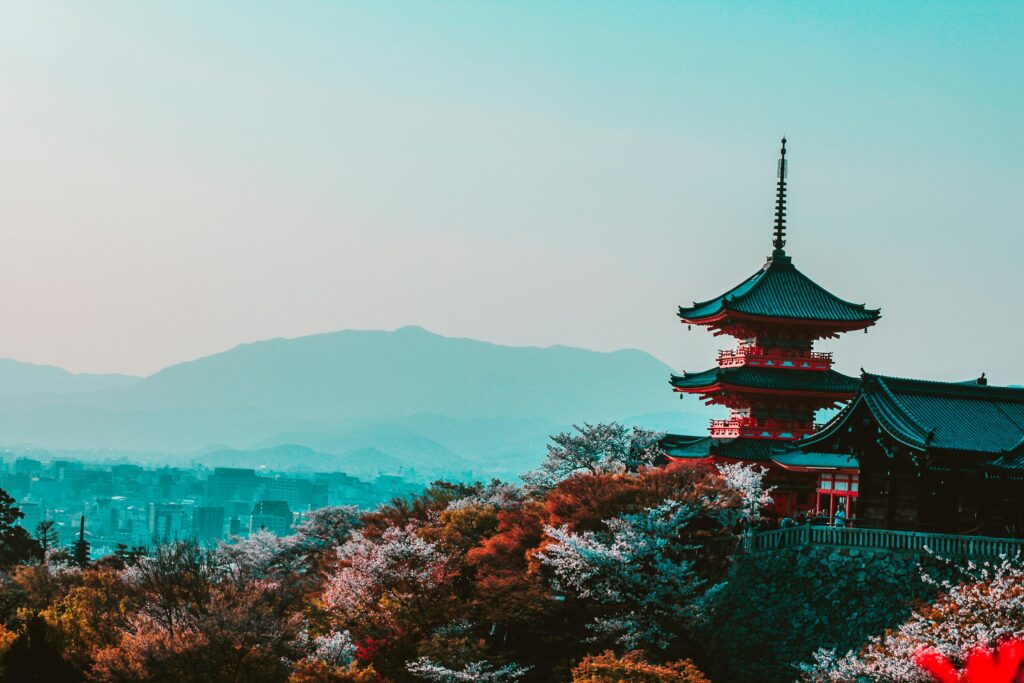
KYOTO
For more than a thousand years, from 794 to 1868, Kyoto, Japan, was the imperial capital. Because of its lengthy history, it has a rich cultural heritage and is a significant center for traditional architecture, religion, and the arts. Kyoto features a surprising quantity of pre-war buildings, temples, shrines, and gardens because it was largely spared from the bombs of World War II, unlike many other significant Japanese towns.Situated in a valley and encircled by mountains on three sides, the city lies in the southern region of Kyoto Prefecture. It has a unique climate with hot, muggy summers and cold, dry winters due to its basin-like topography. Approximately 1.5 million people live there.
Why visit Tokyo Prefecture
Tokyo Prefecture is a "metropolis" (Tōkyō-to) that serves as both a city and a prefecture, in contrast to other prefectures. It is one of the most populated and significant urban centers in the world and the political, economic, and cultural core of Japan.
This looks like two paragraphs of information about Japan. The first paragraph is about Hokkaido, a Japanese island, and the Seikan Tunnel that connects it to the main island of Honshu. It also mentions Sapporo, the capital of Hokkaido, and its significance. The second paragraph lists some of the Top place to visit in Japan including Kyoto, Tokyo, Hokkaido, Osaka, Hiroshima, and Okinawa.
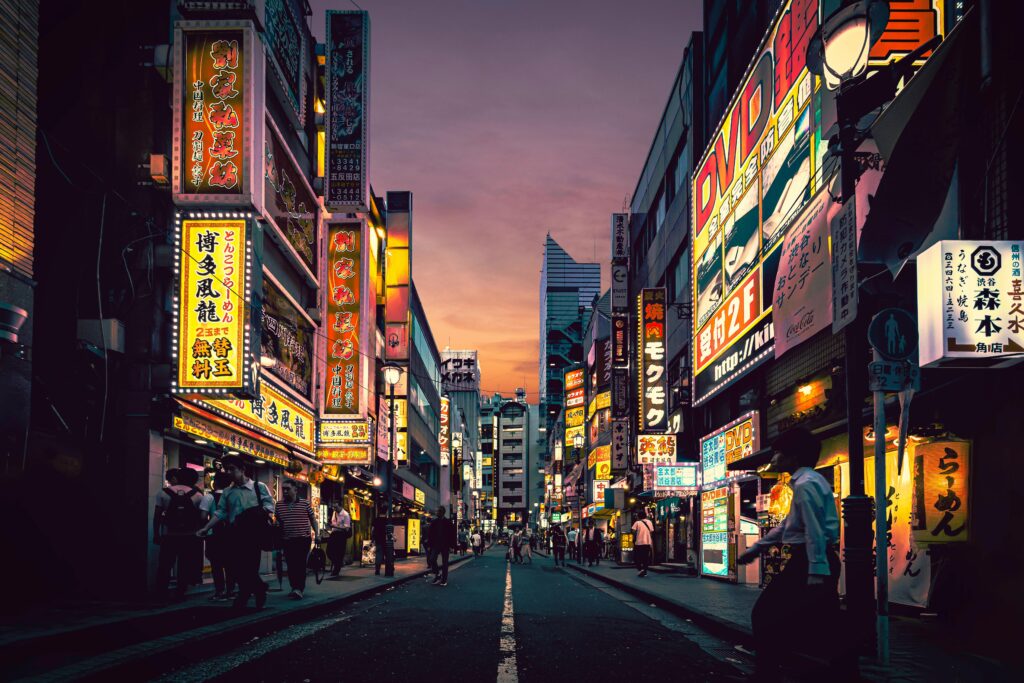
SHIBUYA
Shibuya is a unique ward of Tokyo that functions as a significant financial and commercial hub, making it more than merely a district. The ward, called Shibuya-ku, is roughly 15.11 square kilometers (5.83 square miles) in size. With an anticipated 230,000 residents as of January 2024, it is a heavily populated urban region.One of the busiest train stations in the world, Shibuya Station, is located in the center of the ward and serves several train lines, including the JR Yamanote Line and several Tokyo Metro lines. The most famous portion of the ward is the vicinity of the station, which is also the hub of nightlife, fashion, and young culture.

AKIHABARA
Often shortened to "Akiba," Akihabara is a bustling neighborhood in the heart of Tokyo that is well-known for being the biggest center for video games, electronics, manga, and anime worldwide. Situated in the Chiyoda ward, it is unique and distinguishes itself from other parts of the city.Akihabara changed from being a post-World War II illegal market for electronics to a legal one for consumer products and electronic components. It underwent yet another change in the 1990s and 2000s, embracing the growing Japanese pop culture scene, especially in the areas of video games, anime, and manga. This is the .Top place to visit in Japan Beacause of Anime.
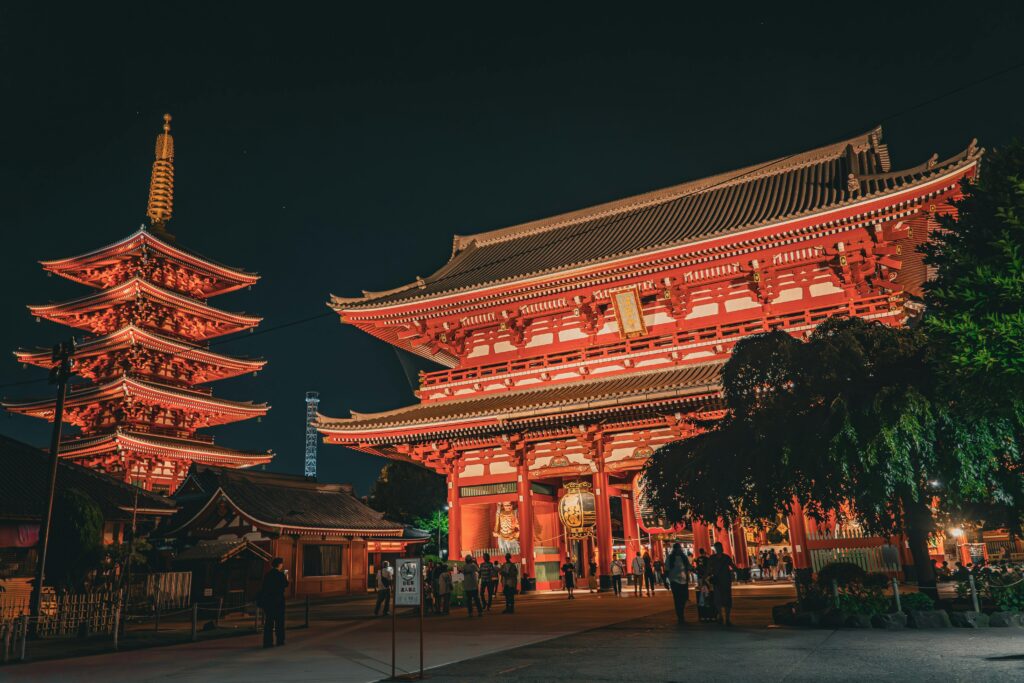
SHINJUJU ASAKUSA
Shinjuku Station, the busiest train station in the world, located at the heart of Shinjuku, a significant administrative, business, and entertainment district in Tokyo. The neighborhood is a study in contrasts, skillfully fusing serene green areas, a thriving nightlife, and tall buildings. The Skyscraper District, which is home to some of Tokyo's largest structures, dominates Shinjuku's west side. This is the location of the Tokyo Metropolitan Government Building, which has two observation decks that provide free panoramic views of the city. The east side, on the other hand, is a busy maze of retail avenues, department shops such as Isetan, and entertainment centers. This is the location of the well-known Kabukicho district, a bustling and occasionally infamous neighborhood noted for its neon-lit eateries, nightclubs, and bars.
Why visit Hokkaido
The largest and northernmost prefecture in Japan, Hokkaido occupies over 83,424 square kilometers (32,210 square miles), or more than 20% of the nation's total land area. It has a different climate from the rest of Japan, with long, snowy winters that make it a top destination for winter sports and a cool summer that is less humid and lacks a rainy season.
The Seikan Tunnel connects the island of Hokkaido to Honshu's main island. Sapporo, the capital and largest city of Hokkaido, is a significant urban hub that hosted the Winter Olympics in 1972 and is well-known for its yearly Snow Festival. Top place to visit in Japan include Kyoto for its temples and gardens, Tokyo for its modern culture and bustling city life, and Hokkaido for its natural beauty and winter sports. Other popular destinations are Osaka, Hiroshima, and Okinawa.
SAPPORO
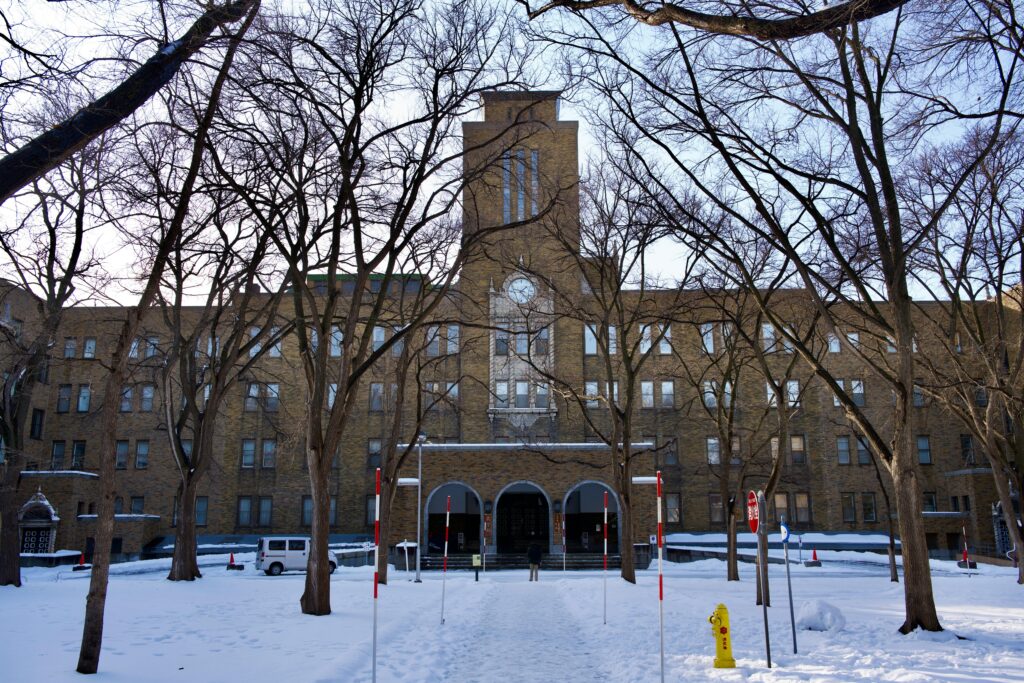
Sapporo is Japan's fifth-largest city and the capital of Hokkaido Prefecture. By Japanese standards, this city, which is located in the southwest of the island, is relatively new, having started to develop in the middle of the 19th century. Sapporo, which combines a well-planned urban landscape with a strong connection to nature, has grown to become a significant cultural and economic center for northern Japan despite its modern beginnings. One aspect of the city's character that sets it apart is its hard yet stunning snowy winters. The Sapporo Snow Festival, an internationally renowned event that attracts millions of visitors each February to view its elaborate and enormous snow and ice sculptures, is a result of this environment.
FURANO
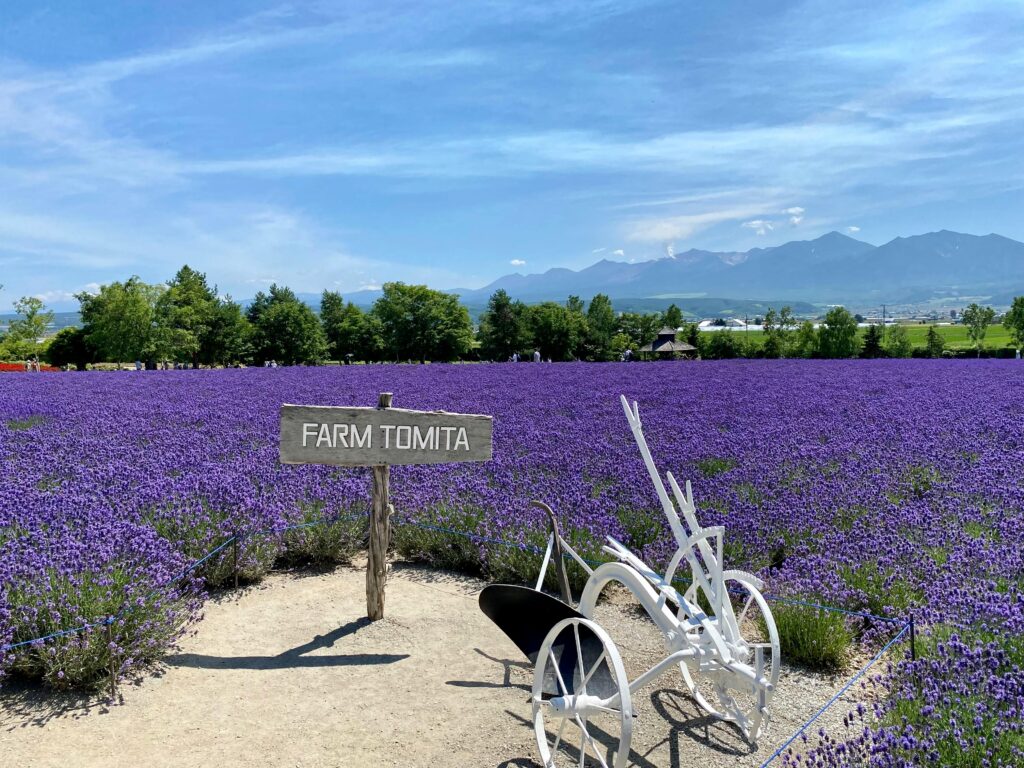
Situated in the geographical center of Hokkaido, Japan, Furano is known as the "navel town." It is a major agricultural and tourism hub, with an area of around 600.97 square kilometers (232.04 square miles) and a population of about 21,131 as of 2020. Agriculture and tourism are the main drivers of the city's economy. Among the many high-quality agricultural goods it produces are carrots, onions, and the well-known red-fleshed "Furano Melon." The area is perfect for field cultivation because of its rich topography and cool, less humid summers.
OTARU
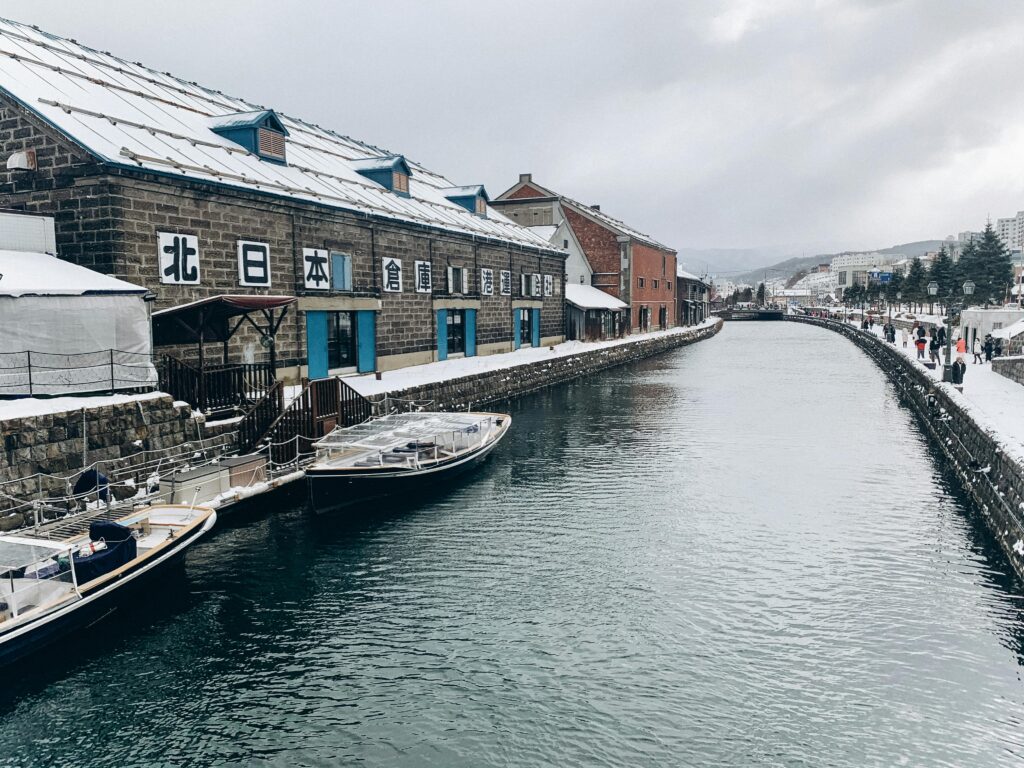
A charming port city on the Hokkaido coast, Otaru is renowned for its romantic and sentimental ambiance, which recalls its time as a significant commercial center. With a total area of roughly 243.83 square kilometers (94.14 square miles) and an estimated population of over 107,000, the city is situated just northwest of Sapporo. Taking inspiration from an Ainu term that means "river flowing through sand," the name pays homage to the region's indigenous past. The well-preserved architecture of Otaru is a testament to its rich history. It thrived as a hub for herring fishing and a crucial port for Hokkaido's growth in the late 19th and early 20th centuries.
Explore: Discover India: A Journey Through Colors, Culture, and Timeless Heritage